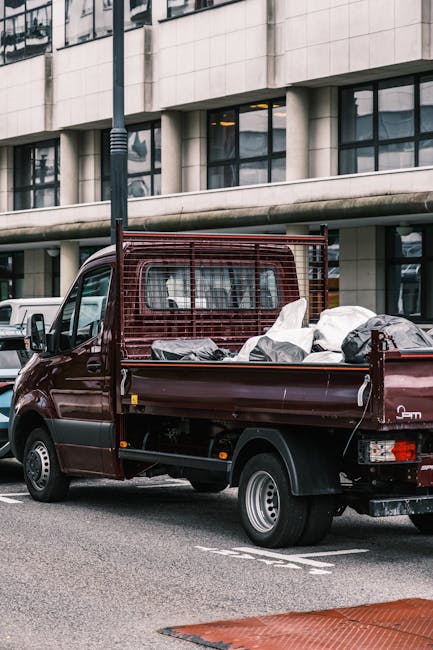
Rubbish removal Southgate N14 guide Palmers Green Road

If you live or work around Palmers Green Road and you need rubbish removal in Southgate N14, you probably want one thing above all: a straightforward way to get the waste gone without turning your day upside down. Fair enough. A pile of old furniture, builders' debris, garden cuttings, or general clutter can make a home feel smaller, a shop look tired, or a renovation stall before it really starts.
This guide walks you through how rubbish removal Southgate N14 works, what to expect on Palmers Green Road, and how to choose the right approach for your load. You will also find practical tips on compliance, what affects price, what to avoid, and when a specialist clearance service makes more sense than a skip. In other words: the useful stuff, not the fluff.
Why Rubbish removal Southgate N14 guide Palmers Green Road Matters
Southgate and the surrounding N14 streets are a mix of homes, flats, small businesses, and busy residential roads. That mix matters. Waste removal is never just about hauling things away; it is also about access, timing, neighbours, parking, and keeping the area tidy while the work is being done. On a road like Palmers Green Road, you may have limited kerb space, traffic to think about, and a narrow window where collections are easiest.
Rubbish builds up quickly. A loft sort-out becomes a mountain of mixed bags. A small refurb leaves plasterboard, timber, packaging, and broken fixtures. A garden job suddenly creates more green waste than one person can honestly fit in a few garden bags. That is where a proper rubbish removal plan saves time and stress.
There is also the simple fact that not all waste is equal. Some items can be recycled. Some need separate handling. Some should never be mixed in with general rubbish at all. If you get the approach right from the start, the whole process is smoother and usually less wasteful. To be fair, that is often the difference between a decent clearance and a very irritating one.
If you want to explore broader collection and clearance options, the main waste removal service and the company's recycling and sustainability approach are useful starting points.
How Rubbish removal Southgate N14 guide Palmers Green Road Works
Most rubbish removal jobs follow a similar pattern, although the details change depending on the property and the waste type. The basic idea is simple: you describe what needs clearing, agree the scope, the team arrives, loads the waste, and removes it for appropriate disposal or recycling. Sounds easy because it often is. But the value is in the preparation.
For a Palmers Green Road property, the process usually starts with a check on access. Can a vehicle stop nearby? Is there a front garden, a communal entrance, or a set of stairs? Are there heavy items like wardrobes, appliances, or mattress piles that need two people rather than one? These little details affect how the job is planned.
A good clearance service will ask questions like these before arrival. That is not fussiness. It is how the team brings the right vehicle, the right number of staff, and the right safety equipment. You do not want three people arriving when one is enough, or one person turning up when there is a fridge freezer and a set of stairs involved. That is how delays happen.
For example, if you are clearing furniture from a flat, the job might be better suited to flat clearance than a broad, generic approach. If the load is mostly old sofas, beds, or chairs, the more specific furniture disposal or mattress and sofa disposal pages give a clearer sense of what can be handled.
Key Benefits and Practical Advantages
The biggest benefit is obvious: you get your space back. But the real value goes beyond that. A well-run rubbish removal service reduces disruption, avoids heavy lifting for you, and helps separate reusable or recyclable material from general waste. That matters whether you are clearing a family home, a rented flat, a workshop, or a small office.
- Speed: a collection can often be completed far faster than multiple runs to a disposal point.
- Less physical strain: no awkward stair carries, no dragging a broken wardrobe through a hallway by yourself.
- Cleaner finish: once loaded, the area is left ready for the next step.
- Better sorting: some materials can be routed for recycling rather than mixed into one heap.
- More flexible for awkward items: bulky pieces, mixed loads, or tricky access jobs are easier to manage.
There is also a very practical psychological benefit. A cluttered room, especially after a life event or a rushed renovation, can feel loud in your head. Once the waste is gone, the job suddenly looks manageable again. Strange, but true.
If your project includes heavier items, it may help to look at specialist pages such as fridge and appliance removal, furniture clearance, or even builders waste clearance if the mess is linked to renovation work.
Who This Is For and When It Makes Sense
This kind of service is useful for a wide range of people. In Southgate N14, we regularly see demand from homeowners, landlords, tenants at the end of a tenancy, tradespeople, shop owners, office managers, and people dealing with inherited or long-neglected spaces.
It makes particular sense when:
- you have mixed rubbish and bulky items that are awkward to move
- you need a quick clearance before a handover, viewing, or builder starts
- you are clearing a property after a move, refurbishment, or declutter
- you cannot easily park a skip outside the property
- the waste is too varied for a simple single-purpose solution
For a home project, the right fit may be a home clearance, house clearance, loft clearance, or garage clearance. For business premises, office clearance or business waste removal may be the better match.
And yes, sometimes a job is simply "too much stuff, not enough weekend". That is a perfectly normal reason to get help.
Step-by-Step Guidance
If you want the smoothest possible rubbish removal on Palmers Green Road, use a simple plan. You do not need to overcomplicate it, but a little structure saves hassle later.
- Sort the waste by type. Separate general rubbish, furniture, electrical items, green waste, and anything potentially hazardous.
- Identify bulky or heavy items. Note wardrobes, appliances, mattresses, builders' rubble, or anything that might need two-person handling.
- Check access. Think about stairs, narrow hallways, side gates, loading bays, and nearby parking space.
- Take quick photos. This helps with estimating volume and avoids surprises on the day.
- Ask what can be recycled or reused. A responsible service should be able to explain how the load will be separated.
- Confirm timing and any building restrictions. This matters if you are in a block, a managed property, or a busy street.
- Prepare the items for collection. Clear a path, protect fragile surfaces, and keep pets or children safely out of the way.
A small note from experience: if a cupboard is already empty, take the shelves out before collection day. It sounds minor, but it usually makes the lift easier and quicker. Same with bagging loose bits from a loft. Loose stuff always seems to multiply when nobody is looking.
If your waste includes items that need special handling, you should check the relevant specialist service in advance, especially for hazardous waste disposal or confidential materials such as confidential shredding.
Expert Tips for Better Results
There are a few simple habits that make rubbish removal more efficient and, frankly, less annoying. They are not glamorous, but they work.
- Be precise about what is going. "A few bags" can mean three bags or thirty. That difference matters.
- Keep recyclable material separate if possible. Clean cardboard, metal, and certain hard plastics are often easier to process when not mixed.
- Move small loose items into one place. A central pile or grouped bags cuts loading time.
- Tell the team about access issues early. Low bridges, awkward entrances, or a shared driveway are the kind of thing everyone prefers to know in advance.
- Check for protected surfaces. On older Southgate properties, hall floors, banisters, and communal walls can mark easily.
If you are planning a bigger clear-out, the difference between a good day and a chaotic one often comes down to staging. Put "keep", "donate", "recycle", and "remove" items into separate zones. Not perfect? Fine. Close enough helps. The team can work with that.
A useful extra step is to review pricing details before you book. The pricing and quotes page can help you think through what information affects the estimate and what you should ask before agreeing to anything.
Common Mistakes to Avoid
Most clearance problems are avoidable. They usually come from rushing the booking or underestimating what the waste really is.
- Mixing everything together. If you throw general rubbish, rubble, and electronics into one heap, sorting becomes slower and sometimes more expensive.
- Assuming the access is fine. A van might be able to stop nearby in theory, but not if the street is packed or the entry is too tight.
- Forgetting about special items. Fridges, certain appliances, hazardous materials, and sharp debris may need separate handling.
- Leaving the job until the last minute. That is when prices feel tighter, and your options shrink.
- Not reading the terms. It is dull, yes, but useful. Especially for edge cases and time slots.
Another common one: people guess the pile will "look smaller on the day". It rarely does. Waste has a funny way of looking at least 20% bigger once it is all gathered in one place. Maybe that is just property of clutter. Maybe it is physics. Who knows.
Tools, Resources and Recommendations
You do not need a toolkit the size of a builder's van, but a few basic items can make the process easier:
- strong bin bags or rubble sacks for loose waste
- gloves for sorting rough or dusty items
- a tape measure if you are checking whether large furniture will fit through doors
- labels or marker tape for sorting what stays and what goes
- cards or notes for identifying items that need special treatment
For planning, it helps to review service-specific pages if your load is a bit more focused. A few useful ones are garden clearance for green waste, office clearance for desks and work equipment, and furniture disposal for larger household pieces.
If you are comparing service styles, the company's what can go in a skip page is also helpful as a practical reference, even if you decide a skip is not the right answer for your site.
Law, Compliance, Standards, or Best Practice
Waste collection in the UK is not just a convenience issue; there are legal and practical duties around handling waste responsibly. You do not need to memorise legislation to book a collection, but you should expect the service to act with care, sort waste sensibly, and avoid leaving the responsibility back with you in a messy way.
Good practice usually means:
- keeping prohibited or hazardous items separate
- using suitable equipment and safe lifting methods
- protecting access routes and shared spaces where possible
- disposing of waste through appropriate channels
- being clear about what is included before work starts
If you are arranging clearance for a business, there may be additional sensitivity around privacy, duty of care, and on-site safety. In those situations, it is sensible to review the provider's trust and policy pages, including health and safety policy, insurance and safety, and payment and security.
That said, this is not legal advice. If your waste includes unusual materials, or if the site has strict management rules, ask for clarification before collection day. A five-minute check can save a lot of back-and-forth later.
Options, Methods, or Comparison Table
People in Southgate often compare rubbish removal with a skip hire solution. Both have their place. The better choice depends on space, timing, waste type, and whether you want the labour taken care of as well.
| Method | Best for | Pros | Possible drawbacks |
|---|---|---|---|
| Man and van rubbish removal | Mixed waste, bulky items, quick clear-outs | Fast, labour included, flexible access | Depends on collection timing and item details |
| Skip hire | Longer projects, ongoing DIY, repeated loading | Handy for gradual filling, good for regular works | Needs space, permit considerations may apply, you do the loading |
| Specialist clearance | Furniture, appliances, lofts, gardens, offices, builders' waste | Tailored handling and better matching to the job | Requires choosing the right service type |
For a home with no driveway on a busy stretch of road, a collection service often feels easier than having a skip sit outside for days. For a long renovation with recurring debris, a skip may make more sense. Neither is universally better. It depends.
If you are leaning toward a clearance-led option, the relevant service pages can help narrow it down: house clearance, loft clearance, or builders waste clearance.
Case Study or Real-World Example
Here is a realistic scenario. A couple near Palmers Green Road decide to empty a spare room before new flooring goes in. The room has an old wardrobe, a broken office chair, several bags of mixed clutter from years of "I'll deal with that later", and a mattress that has been leaned against the wall for far too long. There is no driveway, and the building has a narrow shared hallway.
Instead of trying to manage multiple trips in a car, they sort the waste into two simple groups: bulky items and bagged rubbish. They take photos, check access, and choose a clearance option that fits the mix. On the day, the load is removed in one go, the hallway stays tidy, and the flooring team can start the next morning without waiting around.
Nothing dramatic. Just a smoother day, fewer arguments, and one less thing hanging over the weekend. That is the real win, honestly.
For a similar kind of situation, you might also compare home clearance with flat clearance depending on the property type, or look at mattress and sofa disposal if the bulky items are mostly furniture.
Practical Checklist
Use this before booking rubbish removal on Palmers Green Road. It keeps things simple and avoids last-minute headaches.
- Confirm what waste needs removing
- Separate general rubbish from special items
- Check whether anything is reusable, recyclable, or donation-worthy
- Measure large items if access looks tight
- Note stairs, parking limits, and entry restrictions
- Take clear photos of the load if you are getting a quote
- Ask about disposal of appliances, mattresses, or hazardous material
- Review quote details and what is included
- Prepare a clear route to the items
- Keep children, pets, and residents safely out of the working area
Quick takeaway: the more clearly you describe the waste and access, the easier it is to get an accurate quote and a smooth collection. Simple, but powerful.
If you are ready to move from planning to action, you can also review book online alongside the company's contact options for the next step.
Get a free quote today and see how much you can save.
Conclusion
Rubbish removal in Southgate N14 does not need to be complicated, even on a road with the practical realities of Palmers Green Road. Once you think through the waste type, the access, and the right service fit, most of the stress disappears. That is the real trick: not rushing the decision.
Whether you are clearing a flat, tackling a loft full of forgotten boxes, getting a garden back under control, or stripping out a business space, the best outcome is usually the same: less clutter, less faff, and a clean start. And if you have ever stood in a room wondering where on earth to begin, well, you are certainly not alone.
Choose the right method, ask sensible questions, and keep the job properly matched to the load. Do that, and the whole thing becomes much more manageable. One step at a time.
Frequently Asked Questions
What does rubbish removal in Southgate N14 usually include?
It usually includes collection, loading, transport, and responsible disposal of general waste, bulky items, and mixed rubbish. The exact scope depends on the service and the type of items you need removed.
Is rubbish removal better than skip hire on Palmers Green Road?
It depends on your space and how much labour you want to do yourself. If parking is tight or you want the loading handled for you, rubbish removal is often more convenient. A skip can suit longer projects where you are happy to fill it gradually.
Can you remove bulky furniture as part of a clearance?
Yes, bulky furniture is commonly handled through furniture clearance or furniture disposal services. Sofas, wardrobes, tables, chairs, and similar items are often straightforward when access is confirmed in advance.
What if my waste includes a fridge or other appliance?
Special items such as fridges, freezers, and some electrical appliances may need separate handling. It is best to mention them early and check the relevant appliance removal option before booking.
How should I prepare before a collection?
Sort the items, clear a path, check access, and take photos if you are asking for a quote. If you can separate general rubbish from specialist waste, the job usually runs more smoothly.
Do I need to be at the property during the collection?
That depends on the arrangements and the site setup. Many collections are easier when someone can confirm what is going and point out access details, but it is best to agree this in advance.
What kinds of waste should never be mixed in with general rubbish?
Hazardous materials, certain chemicals, sharp or contaminated items, and some electrical waste should be handled separately. If you are unsure, ask before the collection day rather than guessing.
How do I know which service page fits my job?
Think about the main type of waste and the property. Loft jobs, garage clear-outs, office waste, garden waste, and builders' debris all point to different service types, so choosing the closest match is usually wise.
Can rubbish removal help with end-of-tenancy clear-outs?
Yes, especially where there are leftovers like furniture, bags of clutter, broken items, or refuse that needs removing quickly before handover. Flat clearance is often a good fit in that situation.
What affects the price of rubbish removal?
Typical factors include the volume of waste, the type of items, access, labour required, and whether anything needs special handling. Clear photos and a good description help produce a more accurate quote.
Is there anything I should check for compliance or safety?
Yes. You should expect sensible handling, appropriate disposal, and clear communication about what is included. For business or complex jobs, reviewing safety and insurance information is a smart move.
What is the best first step if I'm not sure what service I need?
Start by listing the items, taking a few photos, and thinking about how easy they are to access. Then choose the closest service type, such as house clearance, office clearance, garden clearance, or general waste removal.
If you want a smoother, calmer clear-out, start with the right information and the right support. That usually makes all the difference.